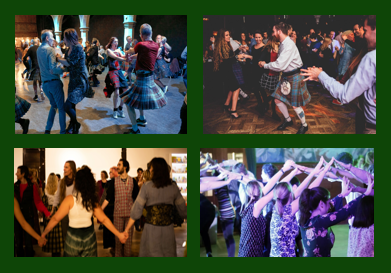
Ceilidhs have their roots in the rural communities of Scotland and Ireland, where they served as a vital way to bring people together, especially during the long, dark winter months. In the days before television or the internet, ceilidhs were a cornerstone of social life. They were often held in homes, barns, or village halls, with neighbours gathering to share news, songs, and tales.
In Scotland, ceilidhs were particularly important in the Highlands and Islands, where the Gaelic language and culture thrived. These gatherings were not just about entertainment - they were a way to preserve and pass down traditions, from ancient ballads to folk dances. Similarly, in Ireland, ceilidhs (or céilís) played a key role in maintaining cultural identity, especially during times of political and social upheaval.